Darling McGillicuddy

Preserving a Wartime Love Story Turning a collection of WWII Letters into a Designed Historical Narrative
Project Snapshot
Client
: Ruth Ann WhippIndustry
: Museums, Heritage & Civic Engagement: Heritage / Archival StorytellingServices
: Book Design · Editorial Design · Art Direction · Archival Storytelling · Image ResearchChallenge
: Transform a personal wartime archive into a cohesive work that could be part of military libraries..Outcome
: A designed book preserving 325 WWII letters, photographs and artifacts as a historical narrative that is today part of National Archives
This book is a love story told through the war time letters of RCAF Intelligence Officer Harold Whipp to his wife Thelma, transcribed and curated by their daughter Ruth Ann Whipp.
We first met Ruth Ann in 2011 when discussing a project for the Toronto Cricket and Skating Club. In 2019, Ruth Ann reached out on on a personal project she had already been working on for several years. After her parents’ death she had found the 325 letters her father had written to her mother during World War ll. She came to us to turn his letters into a book.

A book brimming with history, love, and connection.
When it came time to find a name for the book, a phrase had struck us from Harold’s letters. Many were addressed to “Darling McGillicuddy”. Ruth Ann recalled hearing the nickname her dad had for her mom, an inside joke between her parents. It reflected the sweet intimacy in his words that survives to this day – despite the distance, and actions of war that infuse the letters.
Visually, the cover was inspired by Harold’s actual 1940s airmail letters. Ruth Ann didn’t feel our first draft had the romantic quality that she was anticipating, but she found the idea intriguing. The sticking point, for her, was the absence of photographs of Harold and Thelma. Our solution was to create penny stamps featuring their portraits.

Making the letters live again.
The evolution of this project from a collection of letters to an annotated story enhanced with supporting facts and images happened gradually. Editor Leslie Jennings had studied the practice of Oral History, where an interviewer annotates the subject’s memories for clarity. Harold’s letters seemed like they could use some of that attention. It started with making sense of the dramatis personae in the letters. We debated the value of explaining who these people were within Harold’s world . With Ruth Ann’s support, and the example of this practice in other historic books to guide us , we determined it would enhance the letters for readers. Then it was places. And things. And the context of the war. We had Harold’s incredible collection of war time photographs, but there were many obscure (to us!) references which lacked photographic representation. It was a short leap to searching archives across Canada and the Imperial War Museum for available imagery. Then Ruth Ann started bringing us Harold’s collection of souvenirs. Everything from the buttons from Harold’s dress uniform (the jacket was long gone) to silk escape maps to Dutch wooden tchotchkes. Max Gabaldo took on the task of photographing these gems.


Romancing the design.
The initial design was technically well organized, but when we presented, Ruth Ann expressed that it was too dry. Our solution: to take a scrapbook-style approach with the assets, to enhance he romance of the story.


The story is in the details.
Each season that Harold was overseas with the RCAF was broken out with a chapter spread outlining the time span what was happening in the war and a postal frank. We added the postal frank (or stamp) as a way of reinforcing the underlying mail theme.


A Legacy of love
Ruth Ann found the box of letters tucked away on the top shelf of a closet after both her parents had died. They were written by her father, RCAF Flight Lieutenant Harold Whipp, to her mother Thelma Edwards Whipp during World War ll between 1942-1945.


Enduring friendship and loyalty.
Although Harold and Thelma’s life after the war was beyond the scope of this project, we thought it was important to pull the curtain back a bit and show readers a glimpse of the ensuing years- including Harold’s successful banking career, the birth of their daughter Ruth Ann Whipp and the life-long connection they had to the Nighthawks, his wartime squadron.

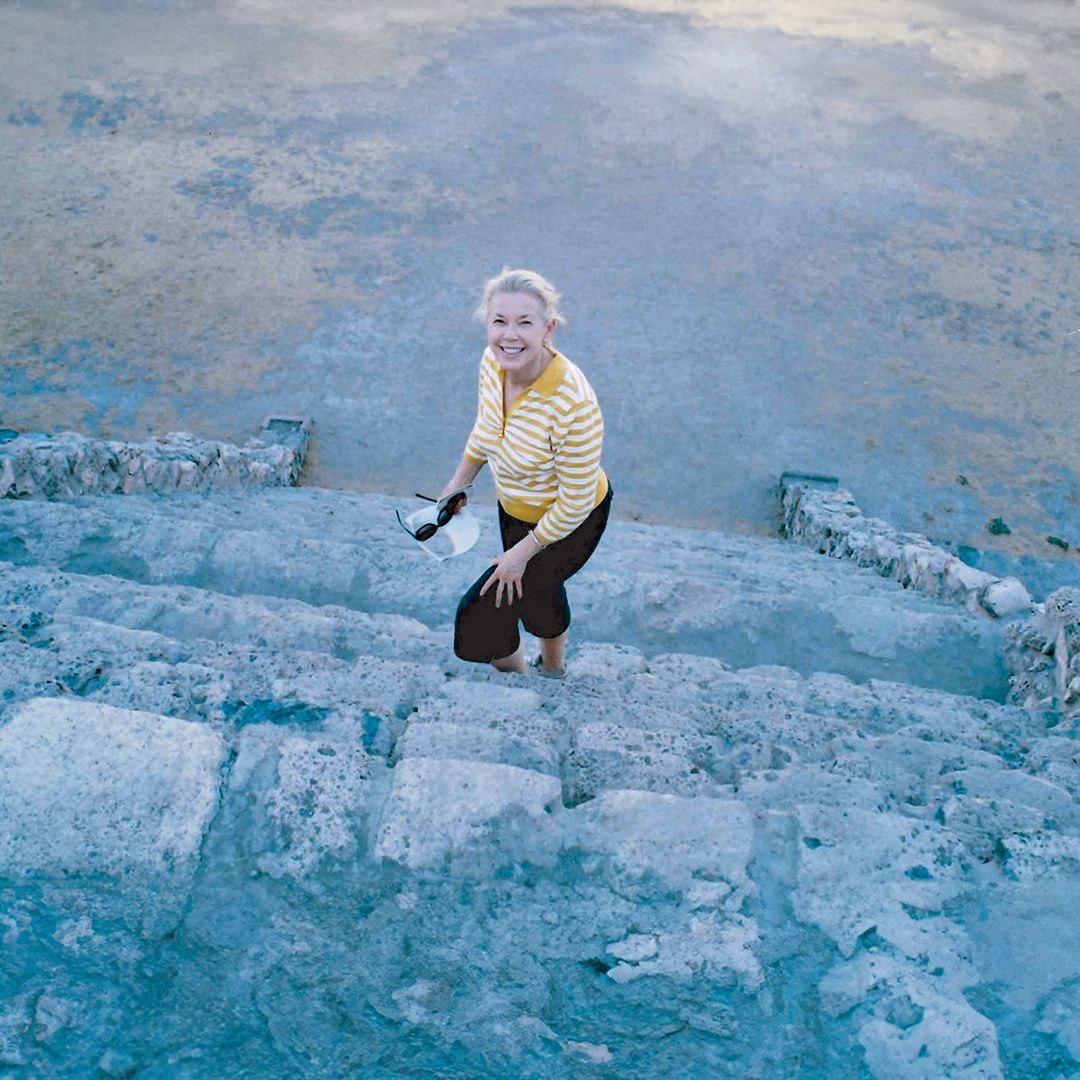
We last met with Ruth Ann on April 20, 2022. It was a great day, and we completed the last of the corrections, and ironed out some final details. We celebrated with a couple of caipirinhas–Brazilian cocktails. Finally, the book was finished.
The next day Ruth Ann emailed us: “Can hardly wait to see the proof and move forward to the next stage.” This was Ruth Ann to a “T”, always ready to seize a new challenge. We were excited too, thinking of Ruth Ann shopping the book around with air-force savvy folk and finding a wider audience. When we heard Ruth Ann had died unexpectedly on May 12, 2022, we were shocked. It had only been a few weeks since we had spent the day together – and she had been her usual vibrant, vital, delightful, irreplaceable self. But her book lives on.
Credits
Ruth Ann Whipp: Transcription, Editing, and Vision
Overdrive DesignLtd.:
James Wilson: Art Direction
Max Gabaldo: Design and Photography
Leslie Jennings: Creative Direction, Research, Editing
Ruth Ann Whipp’s executor saw that Darling McGillicuddy was published and placed in assorted military archives. One copy of every book published in Canada must be sent to the Library of Canada. “Darling McGillicuddy” however was deemed to have historic significance and has become part of the National Archive including the book, the original letters, Harold’s photographs and ephemera and souvenirs. It was a honour to bring this book into the world.


